Learn everything about natural henna, its skin benefits, how to mix it properly, and the best way to apply it for long-lasting stains. A complete beginner-friendly guide.
Introduction
Henna has been used for centuries as a natural dye for the skin, hair, and nails. Today, it remains one of the most popular choices for temporary body art thanks to its safety, harmless ingredients, and beautiful deep stains. Whether you’re new to henna or want to improve the quality of your designs, understanding how to choose, mix, and apply natural henna can make a big difference.
This guide covers everything beginners need to know: selecting natural henna, preparing the perfect paste, application techniques, aftercare, and the best tools to get clean, professional lines at home.
What Is Natural Henna?
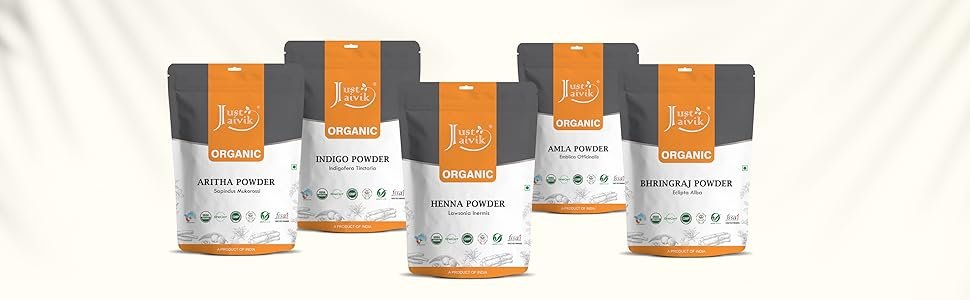
Natural henna is a finely ground powder made from the dried leaves of the Lawsonia Inermis plant. When mixed with liquid, it releases a dye molecule called lawsone, which binds to the skin and creates a stain that darkens over 24–48 hours.
Why Natural Henna Is Best
Unlike chemical cones often found in markets, natural henna is:
- Free from harmful additives
- Safe for adults and children
- Long-lasting (up to 10–14 days)
- Deep staining when mixed correctly
If the powder is fresh and high quality, the final color is a deep reddish-brown, never black.
Benefits of Using Natural Henna
Henna offers several benefits beyond beauty and artistic expression.
1. Safe for Skin
Natural henna contains no chemicals, making it ideal for sensitive skin.
2. Nourishes the Hair
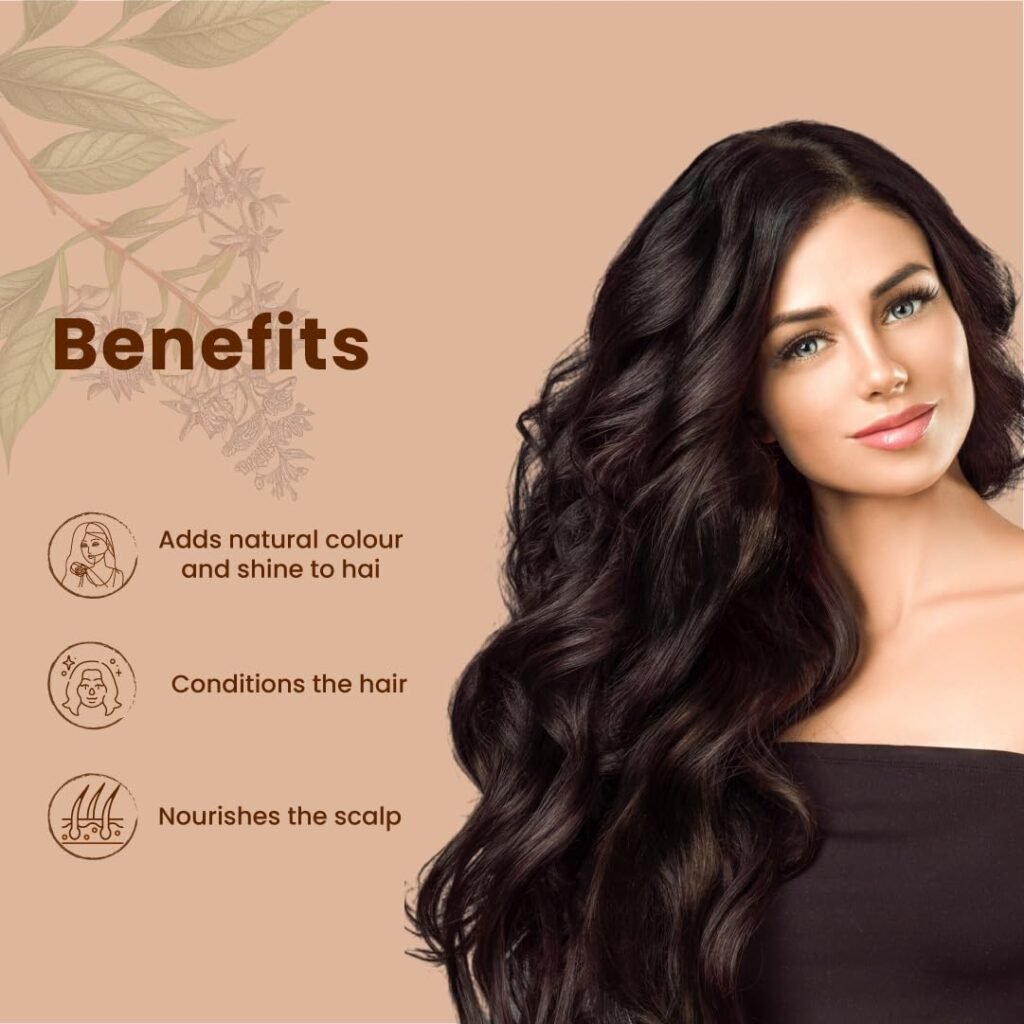
When applied to hair, henna strengthens strands, reduces dandruff, and adds shine.
3. Long-Lasting Stain
With proper aftercare, henna body art can last up to two weeks.
4. Cost-Effective
Preparing henna at home is affordable and can produce salon-quality results.
How to Choose High-Quality Henna Powder
Not all henna powders are equal. Here’s what you should look for:
Freshness
Henna should be bright green and finely sifted. Older powder loses dye strength.
Ingredients
Check that the package lists only one ingredient: Lawsonia Inermis.
Origin
Rajasthani and Moroccan henna are known for strong staining power.
Sift Level
Triple-sifted powders give smoother, cleaner lines for body art.
How to Mix Henna Paste for Deep Stains
Mixing henna correctly is essential for good color.
Ingredients You Need
- 2–3 tablespoons of natural henna powder
- Lemon juice or water
- Sugar (optional for smoothness)
- Essential oil (eucalyptus, tea tree, or lavender)
Step-by-Step Mixing
- Sift the henna powder for extra smoothness.
- Add lemon juice little by little until you get a thick yogurt texture.
- Add ½ teaspoon of sugar to help the paste stick to the skin.
- Add 5–8 drops of essential oil to activate dye release.
- Cover the bowl and let it rest 6–12 hours.
- After dye release, adjust consistency if needed.
Letting the paste rest is what allows the dye to activate and create a darker stain.
How to Apply Henna at Home
Preparing the Skin
- Wash the area with soap.
- Avoid lotion or oils.
- Exfoliate gently for longer-lasting results.
Tools You Can Use
- Henna cones
- Fine metal tips
- Jacquard bottles
- Toothpicks for corrections
Application Tips
- Keep your cone tip small for precise lines.
- Work slowly, building lines and shapes.
- Let the henna dry naturally, without touching it.
Best Practices for Aftercare
Aftercare is what transforms a light orange stain into a deep brown color.
Do:
- Leave henna on the skin for 4–8 hours.
- Seal designs with lemon-sugar mix if needed.
- Keep your hands warm; heat improves color.
- Avoid washing the area with water for the first 24 hours.
Avoid:
- Showering immediately after removal
- Using oils before stain develops
- Touching or rubbing the paste
Once the paste flakes off, the stain will darken for 48 hours.
Featured Product Recommendation
For beginners and artists who want consistent results, this Organic Triple-Sifted Henna Powder is one of the best options for deep staining.
Recommended Product:
Organic Rajasthani Henna Powder (100% Natural)
Amazon Link:
(Insert: This is your single affiliate link)
Common Mistakes Beginners Should Avoid
Using boiling water
This kills dye molecules.
Not allowing dye release time
Henna must sit several hours before use.
Applying too thin a layer
Deep color needs thicker, consistent lines.
Washing with water too soon
Water stops the stain from developing fully.
Conclusion
Natural henna is one of the most beautiful, safe, and artistic ways to express yourself. When you choose the right powder, mix it correctly, and follow proper aftercare, you can achieve professional-level stains that last days to weeks. Whether you’re preparing for a celebration or simply love henna design, mastering the basics will dramatically improve your results.

- Natural Hair Dye :- Henna provides a natural and chemical-free way to dye hair, imparting a rich, reddish-brown color. I…
- Strengthens Hair :- Henna helps to strengthen hair by binding to the keratin in the hair shaft, making it less prone to …
- Supports Hair Growth :- Regular use of henna can improve scalp health by balancing oil production and unclogging follicl…